
Giving a pet as a Christmas present can look like the perfect surprise. This guide sets out what PDSA, Dogs Trust and the RSPCA each say about pets as gifts, why the festive period itself is a hard time for a new animal to settle, and what can be given instead while the real decision waits for the new year.
Do animal charities recommend a pet as a surprise gift?
PDSA’s answer is no. Its vets write that Christmas is a time for giving but that it does not recommend pets being given as surprise gifts. The reasoning is practical: choosing an animal for someone else risks picking one that they cannot afford or do not have time for, and even with careful research it is very difficult to know every detail of another person’s life and responsibilities. PDSA adds that an unexpected pet could leave a loved one feeling stressed and overwhelmed.
If a pet gift is still being considered, PDSA’s advice is to discuss it with the recipient beforehand, so that they can check they are ready for the commitment, prepare their home and choose the animal together. For anyone who does go ahead with a surprise, PDSA says to be prepared for the new owner not being able to care for the animal, and to be ready either to take on responsibility for it or to find it a loving home.
The RSPCA’s Christmas page puts it briefly: pets are for life, not just Christmas.
Can a rescue dog be adopted as a gift for someone else?
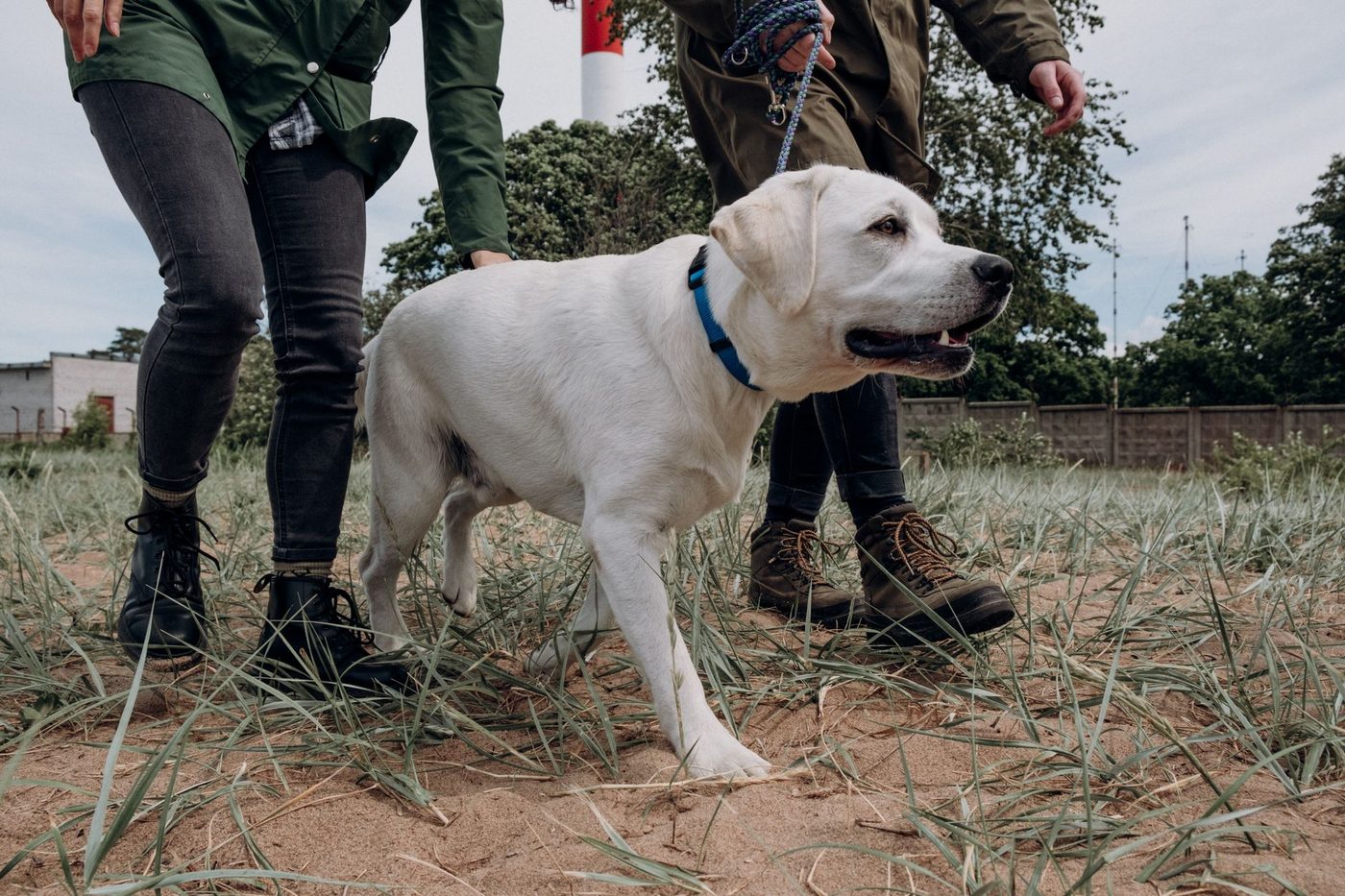
Not from Dogs Trust. Its published rehoming policy says the adopter chooses the dog themselves and that it will not adopt dogs to be gifts, and its adoption guide repeats that it will not agree to someone adopting a dog as a gift. Other rehoming charities publish their own policies, so the person who will actually keep the animal would need to check with the charity concerned.
The Dogs Trust adoption guide describes a process built around the applicant. Applicants do not apply for a specific dog; the charity matches them to one, keeps an application open for three months if no suitable dog is available, and invites the applicant to meet a match at the rehoming centre, sometimes several times. Its policy also lists landlord permission before reserving a dog and attending a pre-adoption talk.
Why is Christmas itself a difficult time to bring a pet home?
PDSA lists several reasons, including these:
- It is a busy time of year. Time off work can look ideal, but it is often filled with shopping, visiting, parties and noise, while new pets need time, a calm environment and routine to settle in.
- There are extra hazards. Decorations, lights, festive foods and poisonous plants all add risk. The RSPCA and PDSA advice on pets at Christmas covers these in more detail.
- It may be the holiday talking. PDSA says festive excitement often drives people to get pets, and reminds readers that a pet is a lifelong commitment at any time of year.
It also notes that a pet arriving during the festive period may then struggle to adapt to another new routine once Christmas is over.
What if the pet is meant for a child?
PDSA says pets and children can be great for each other in the right situation, but that the festive season is not usually the best time. The novelty can wear off quickly once the daily responsibility sinks in, and the law states that an adult must be legally responsible for a pet’s care, even when the pet is bought for a child. Children who receive a pet as a gift also miss out on helping to choose it, which PDSA suggests saving for after the holidays.
What can be given instead?
The charities suggest several alternatives:
- A book about the chosen animal, which PDSA says helps a child learn the good and the less glamorous sides of ownership.
- A toy version of the pet, from soft toys to electronic animals that need looking after, which PDSA suggests works well for young children.
- Tickets to a conservation park or reputable zoo, another PDSA idea for animal-loving children.
- A sponsorship. PDSA mentions sponsoring an animal, and Dogs Trust says a dog sponsorship can be given to a friend or loved one for as little as £1 per week (£4.34 per month), as shown on its rehoming page when read on 16 November 2026.
- A donation. The RSPCA describes a donation as the best gift you can give to animals this Christmas.
Pairing one of these with a plan to research and choose a pet together in the new year follows PDSA’s advice to involve the future owner in the decision.
What does bringing a pet home in January involve?
PDSA says it is ideally best to wait until the holidays are over. That leaves time to prepare for the animal’s arrival, keeps it away from festive hazards and allows full attention when it arrives. For a pet that is already home, or where waiting is not possible, PDSA suggests keeping to the usual routine, avoiding lots of visitors and loud noise, and taking extra care with festive hazards and toxic foods.
For anyone adopting from Dogs Trust, its guide says some adoptions happen in as little as a week while others take longer, and that adopters need to be able to visit a rehoming centre and have the time a dog needs to settle in. Its dogs go home with a collar and lead, four weeks of free pet insurance and several days’ worth of food. Anyone planning to buy rather than adopt can read what a licensed seller in England must provide.
The bottom line
PDSA does not recommend pets as surprise gifts, Dogs Trust will not adopt a dog to be given as one, and the RSPCA reminds owners that pets are for life, not just Christmas. A book, a toy pet, zoo tickets, a sponsorship or a donation can stand in on the day, with the real choice made together once the festive rush is over and the household can give a new animal its full attention.
Sources
- Pets for Christmas, PDSA blog, page undated, read 16 November 2026 (pdsa.org.uk)
- Our rehoming policy, Dogs Trust, page undated, read 16 November 2026 (dogstrust.org.uk)
- Adopting rescue dogs from rehoming centres (how to adopt), Dogs Trust, page undated, read 16 November 2026 (dogstrust.org.uk)
- Rescue dogs and dog rehoming, Dogs Trust, page undated, read 16 November 2026 (dogstrust.org.uk)
- Christmas dangers for pets, RSPCA, page undated, read 16 November 2026 (rspca.org.uk)