
The Code of Practice for the Welfare of Cats is Defra’s guidance to cat owners in England on how to meet their legal duty of care. The GOV.UK page for the Code shows it was published on 8 April 2013 and last updated on 6 April 2018. This guide takes the Code’s vocabulary first and then its practical sections; its health and veterinary sections are left to the Code itself and to a vet.
Four terms the Code leans on
The Act. The Code explains that under Section 9 of the Animal Welfare Act 2006 an owner must take such steps as are reasonable in all circumstances to ensure that the needs of an animal they are responsible for are met, to the extent required by good practice.
The five needs. The Code lists them as a suitable environment, a suitable diet, being housed with or apart from other animals, being able to exhibit normal behaviour patterns, and being protected from pain, suffering, injury and disease.
A suitably qualified cat care specialist. The Code says this means people who hold the qualifications and experience to provide expert advice on cat welfare and behaviour, and its list of further information begins with the vet.
What the Code is in law, and where it applies
GOV.UK says that breach of a provision of the Code is not an offence in itself. If proceedings are brought for an offence under Section 9, the court will look at whether the owner complied with the Code in deciding whether an offence was committed.
The Code describes itself as practical guidance to help owners comply with Section 9 and says it does not tell owners precisely how to care for a cat. It adds that an owner is always responsible for their cat’s needs, and that a parent or guardian of a child under 16 is responsible for any animal that child is in charge of.
The statutory instrument that brought the current Code into force is the Codes of Practice for the Welfare of Cats, Dogs, and Horses, Ponies, Donkeys and their Hybrids (Appointed Day and Revocations) (England) Order 2018. Its explanatory note says the new cat Code came into force in England on 6 April 2018, so this guide describes the Code as it applies in England.
Rest, hiding and toilet: the environment need
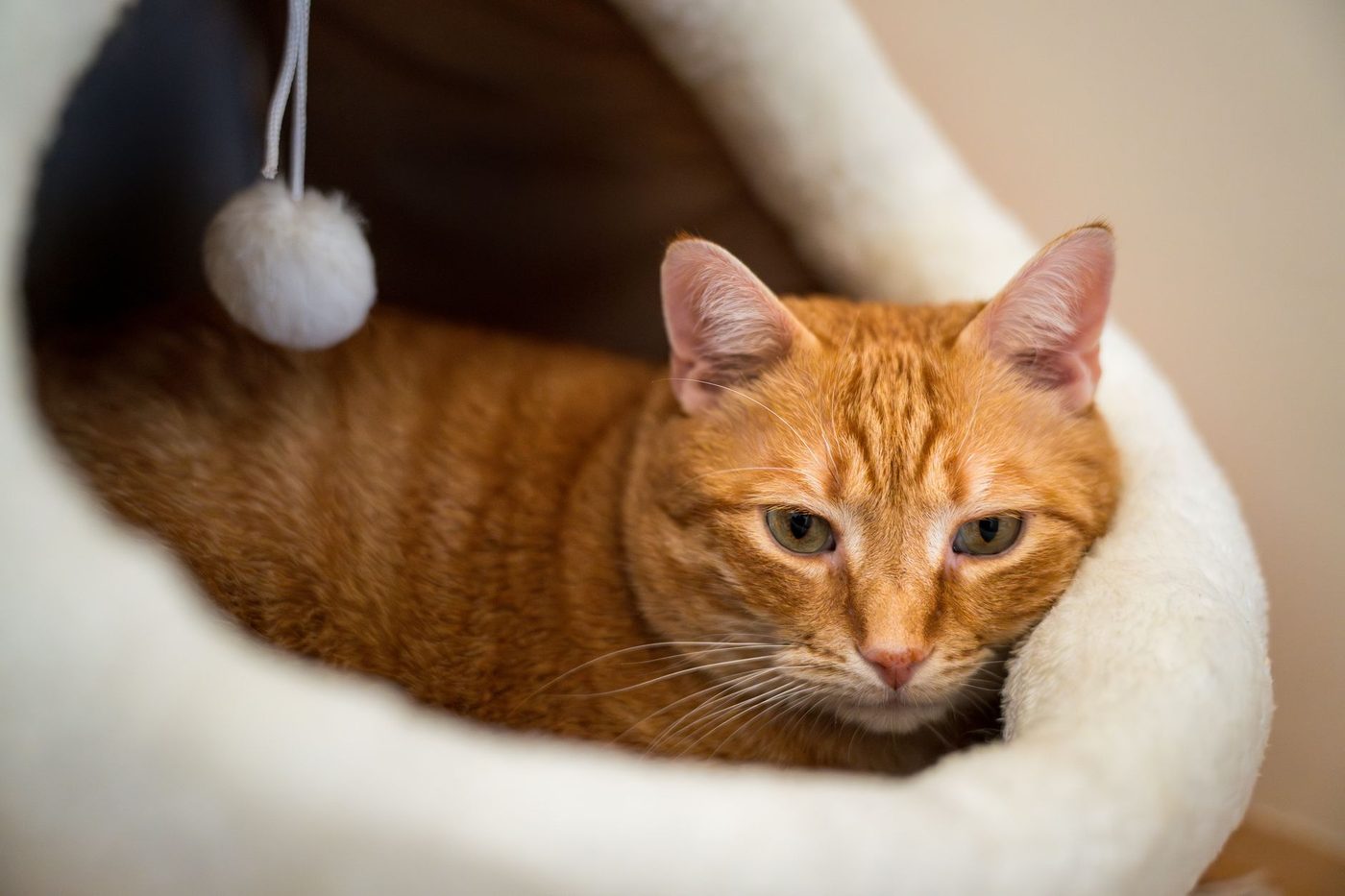
The Code says all cats, including those that live predominantly outdoors, need a safe and clean environment and protection from hazards. Its “what you should do” list asks owners to provide a safe, comfortable, dry, draught-free, clean and quiet place where the cat can rest undisturbed, ideally a range of such places so the cat can choose.
It adds that cats need constant access to safe hiding places, including elevated resting places, and states that cats often feel safest when high up. The toilet area should be quiet, easily accessible and kept clean, and the Code says a cat should not be routinely kept in a cage.
Before moving a cat, the Code says to get it gradually used to a secure carrier, and that putting in items which smell like the cat, such as its blanket, can help it feel at ease.
Water, meals and where the bowls go: the diet need
The Code says cats need fresh clean drinking water at all times, preferably located away from their food source. It also says to feed the cat every day, with access to food several times a day, preferably as several small meals, unless a vet advises otherwise.
Food and water should be positioned well away from the litter tray or from things the cat finds frightening, and any change to the diet should be made gradually. For a particular cat’s diet, the Code directs owners to a vet or another suitably qualified cat care specialist.
Scratching, play and handling: the behaviour need
According to the Code, all cats need an appropriate scratching place, high enough to let them stretch out fully, so they can scent mark their territory and condition their claws. It lists safe toys and regular play with friendly people and alone, and says a cat that does not go outside needs plenty of activities and enough space to exercise, climb and play indoors.
On handling, the Code says never to shout at or punish a cat, because it will not understand and will become more nervous or scared, and that owners should use only positive reward-based training such as food, toys and praise, avoiding harsh, potentially painful methods.
Other cats and other people: the companionship need
The Code says cats show variable degrees of sociability: some may be friendly with other cats, usually those they grew up with, while many cats are happier living without other cats. Where cats are not friends, owners should let them avoid each other and reach food, water, litter tray and rest area without passing one another too closely. A pull-out line says each cat should have its own food bowl, litter tray and bed because sharing can lead to stress, and that if cats choose to share, that is fine.
When the owner is away, the Code says the cat must be properly cared for by a responsible person, who also has a legal responsibility for its welfare, while the owner remains responsible for its needs.
Identification
The Code asks owners to make sure a cat can be identified, for example by microchipping, and to keep microchip details up to date. It says this lets a cat be treated quickly if injured away from home, or returned if lost. It adds that any collar should fit properly, have a quick release mechanism and not be harmful.
The bottom line
Defra’s cat Code, in force in England from 6 April 2018, sets out practical expectations under the five needs in the Animal Welfare Act 2006: quiet rest and hiding places, a suitable toilet area, fresh water, several small meals, a scratching place, play, reward-based handling and the chance to avoid other cats. Breaching the Code is not an offence in itself, but a court considering a Section 9 offence will look at whether it was followed. The Code points owners to a vet or another suitably qualified cat care specialist for questions about an individual cat.
Sources
- Code of practice for the welfare of cats, GOV.UK (Department for Environment, Food and Rural Affairs), published 8 April 2013, last updated 6 April 2018, read 7 November 2026 (gov.uk)
- Code of Practice for the Welfare of Cats (PDF, ISBN 978-1-5286-0170-2), Department for Environment, Food and Rural Affairs, December 2017, read 7 November 2026 (assets.publishing.service.gov.uk)
- The Codes of Practice for the Welfare of Cats, Dogs, and Horses, Ponies, Donkeys and their Hybrids (Appointed Day and Revocations) (England) Order 2018, SI 2018/310, made 1 March 2018, read 7 November 2026 (legislation.gov.uk)