
The Defra guidance on GOV.UK has a section for people who keep a listed invasive non-native animal as a pet, and for those animals the usual assumptions about owning a pet do not hold. The guidance says 30 species are listed as of concern because of their invasiveness and their ability to establish in several nations across Europe. The page was published on 26 August 2020, was last updated on 13 June 2025 and applies to England and Wales, so this guide covers those two nations only.
The general rule and the animals it covers
The guidance says strict rules apply to anyone who owns or looks after a listed animal, finds one, or sells or displays one in a business. A person must not keep the animals in a house, garden or business, sell them, exchange them for goods, release them into the environment, let them breed or escape, import them into the UK, transport them within the UK or export them. The rules apply to any live animal and to any part that might reproduce, such as eggs that will hatch.
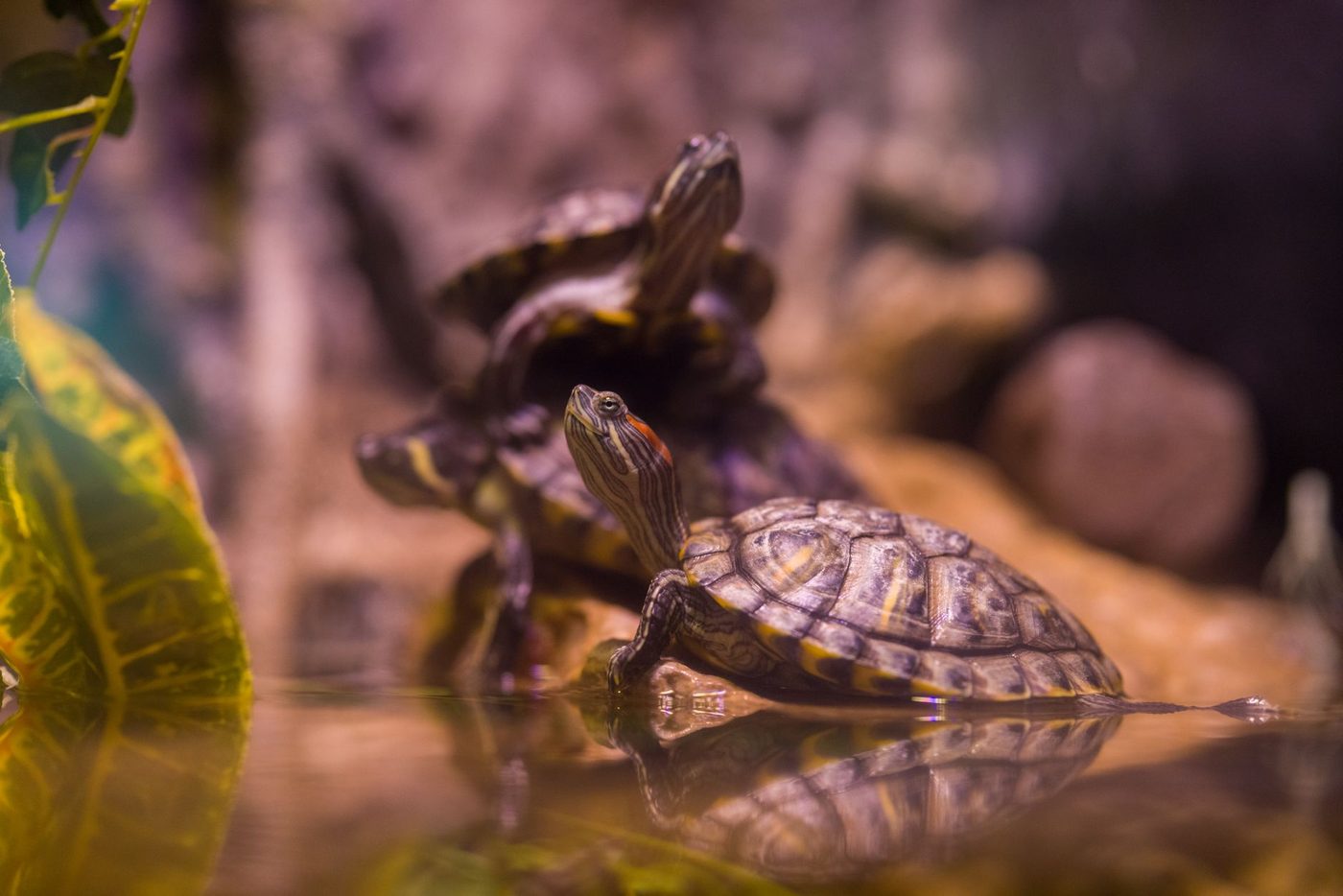
The list is split into widely spread and non-widely spread animals. Terrapins of all subspecies, including the red-eared slider, yellow-bellied slider, Cumberland slider and common slider, appear among the widely spread animals and were listed on 3 August 2016. The non-widely spread group includes the coati, the raccoon, the Siberian chipmunk, the marbled crayfish and the North American bullfrog, each listed on 3 August 2016.
Separately, the page notes that the Wildlife and Countryside Act 1981 bans the release into the wild of any animal that is not resident in Great Britain or a regular visitor to Great Britain in the wild. Defra’s guidance on section 14 of that Act says its purpose is to prevent releases that may cause ecological, environmental or socio-economic harm.
The exception for pets owned before listing
A person who kept one of these animals as a pet in the UK before it was listed can keep it for the rest of its life without a permit or licence, as long as all of the following apply:
- it is kept as a pet and not for any business reason;
- it is kept in a contained holding it cannot escape from, such as a cage or aquarium;
- it is not allowed to breed;
- it is not sold or exchanged.
What the exception does not allow
The guidance says a pet must not be released into the wild and that a person may be prosecuted for doing so. It also says the animal must not be allowed to breed, and that a keeper could be prosecuted or fined and the animal could be confiscated. A keeper is not required to spay or neuter, although the page says this can be done to stop breeding.
Walks are ruled out in plain words: owners must not take the pet out, even on a lead, and it must stay in a contained holding at home. The guidance says owners should microchip the pet, because a microchip helps find an animal that escapes and is evidence of how long it has been owned. Where microchipping is not possible, it says to try to mark or identify the animal using humane methods.
Moving house, the vet and boarding
The guidance allows a listed pet to be transported, for example when moving house or going to a vet, provided it travels in a contained holding such as a pet carrier so that it cannot escape. A pet can also go to pet boarding or to a friend’s house if it is kept under control in transit and cannot escape. The person looking after it must keep it in a contained holding and not allow it to escape or breed, and the page says that person does not need a licence to look after the pet on a temporary basis.
Giving a pet a new home
An owner can give the animal to someone else but cannot sell it or exchange it for money or other goods. The page also says a pet can be taken to a rescue centre, which can keep it for life or rehome it as a pet. Rehoming carries a paperwork duty: the new owner must be given evidence that the animal was a pet before it was listed, so the animal can be kept without breaking the law. Examples include:
- a transfer of ownership form signed and dated by the previous owner;
- a receipt showing the date the animal was bought;
- vet records showing the date the animal was registered;
- a microchip certificate or insurance paperwork showing a date before the animal was listed.
If the animal was acquired after it was listed
The pet exception depends on ownership before listing. The guidance says a person who got an animal after it was listed without realising it was an offence must contact Natural England in England, Natural Resources Wales in Wales, or the wildlife crime officer at the local police force for guidance. Animal retailers are covered too: the page says retailers with stock from before listing had 12 months from the listing date to sell it to a member of the public, and 24 months to sell or transfer it to a facility holding the right permit or licence.
What breaking the rules can mean
The guidance says penalties depend on the seriousness of the offence. A person may get a warning, be served with a notice, be fined, have animals seized, or be sent to prison for a maximum of 3 months for a summary offence or 2 years for an indictable offence.
The bottom line
For England and Wales, the Defra guidance says a pet owned before its species was listed can be kept for life in a contained holding if it is not bred, sold or exchanged, and that it must never be released or taken for walks. Rehoming means giving the animal away with evidence of pre-listing ownership. Anyone who acquired a listed animal after listing is told to contact Natural England, Natural Resources Wales or the police wildlife crime officer.
Sources
- Invasive non-native (alien) animal species: rules in England and Wales, Department for Environment, Food & Rural Affairs, published 26 August 2020, last updated 13 June 2025, read 8 November 2026 (gov.uk)
- Preventing the release into the wild of certain plants and animals: guidance, Department for Environment, Food & Rural Affairs, published 26 May 2011, read 8 November 2026 (gov.uk)