
“Does my dog need a coat?” is a question that comes up as soon as the weather turns. The short answer from UK animal charities is that it depends on the dog: PDSA says most dogs will be fine with short periods in the cold without extra layers, but some definitely need a bit of extra warmth. This article tests common beliefs about dog coats against what PDSA and the RSPCA publish,. It is general welfare information; a vet is the right person to ask about an individual dog’s health.
A word on the cold first
The RSPCA lists signs of hypothermia in dogs as shivering (which stops if a dog becomes severely cold), drowsiness and confusion, pale gums, and loss of coordination and consciousness or collapse. It says that if any of these signs appear, the dog should be taken to the vet immediately, as hypothermia in dogs can be fatal if not treated quickly. PDSA’s advice for walks is that a dog that is shivering or slowing down should be brought home and into the warmth straight away, as these are signs it is getting cold.
Myth: a dog’s fur is always enough
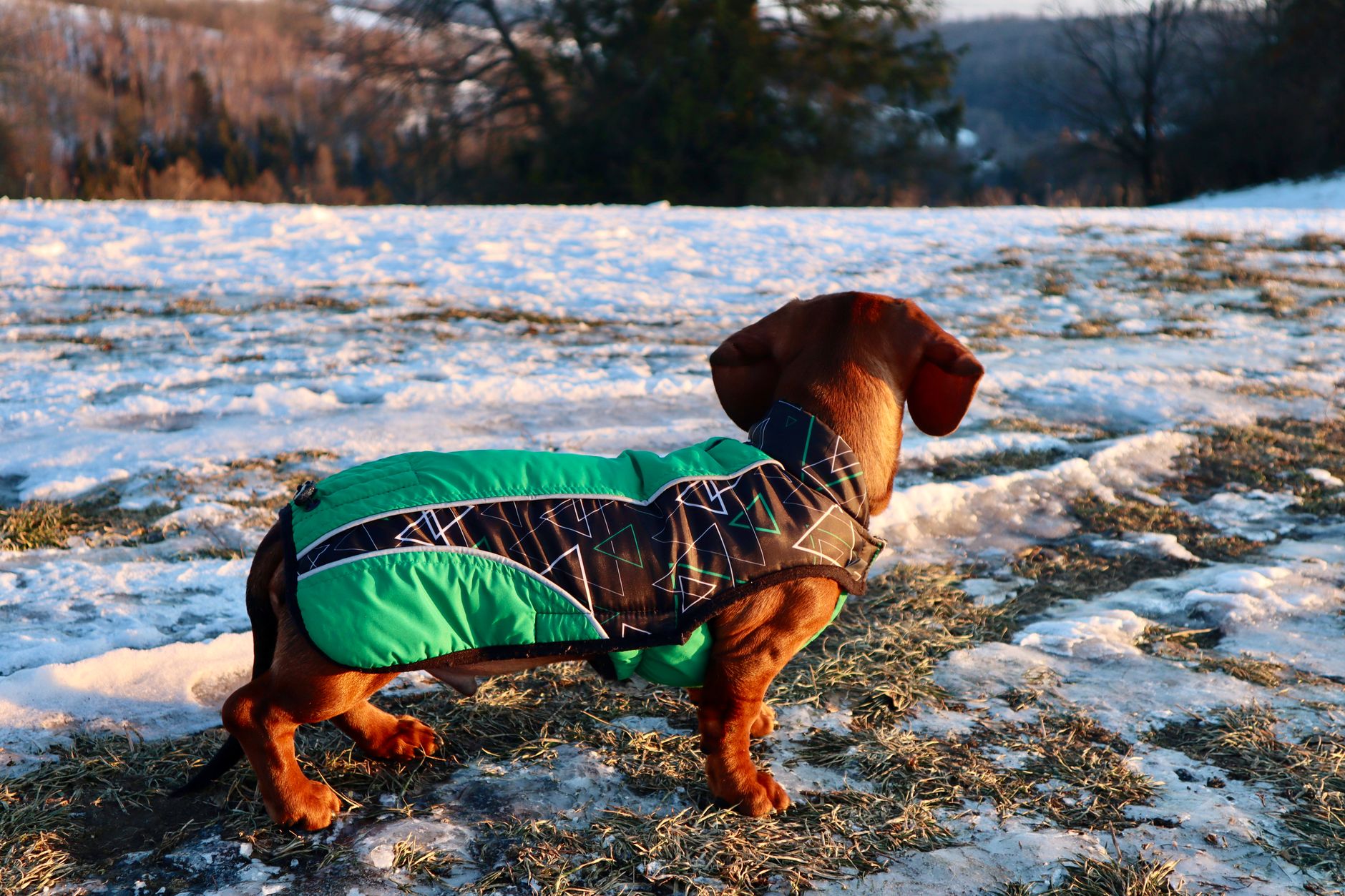
Not for every dog. PDSA says dogs with fine or thin fur, such as Greyhounds and Whippets, and dogs that are very young, underweight, old or unwell, need a warm coat when they go out because they feel the cold much faster than other dogs, and should go out in the cold for shorter periods too. It adds that smaller breeds such as Chihuahuas and small terriers can feel the cold quickly.
The RSPCA gives the reasons behind this. Dogs with no fur or a thin or short coat are more susceptible to the cold. Smaller dogs lose body heat faster than larger dogs, which are more insulated and higher above the ground. Puppies are not built for cold weather because their ability to regulate temperature has not fully developed, and elderly dogs, sick dogs and dogs not used to the cold also struggle. Its winter page names elderly dogs, young dogs, dogs with thin or short fur and dogs with pre-existing medical conditions as the dogs that need winter coats.
Myth: every dog should wear a coat in winter
Also not quite. PDSA says a fit and healthy dog with thick fur should be fine outside without a coat as long as it is active, playing or exercising, although it is still a good idea not to stay out too long. It notes that breeds such as Huskies and Malamutes are well suited to colder weather.
The RSPCA says all dogs are individual, but that when the temperature reaches freezing, all dogs are at risk of hypothermia and frostbite, especially small, slim, young and old dogs and those with little or no fur.
Myth: any coat that does up will fit
PDSA advises buying a coat made specifically for dogs that fits properly, and describes three measurements to take:
- length, from the neck (collar) to the base of the tail
- chest, the width just behind the front legs
- neck, around the area where the collar normally sits
It suggests recording these in both centimetres and inches, as coats are sold in either. A good fit, according to PDSA, lets the dog move freely and do everything it normally does, including running, jumping and going to the toilet. Biting or scratching at the coat, or rubbing against the floor or furniture, is a sign that it does not fit and is irritating the dog. Longer dogs such as Greyhounds, Lurchers and Whippets need coats designed for their dimensions. The RSPCA similarly says a jacket should be snug but should not restrict movement.
Myth: a coat that helps outside helps indoors
PDSA says most dogs will not need a coat indoors, as they can quickly overheat in modern, centrally heated homes. Some dogs may appreciate a breathable layer if the home is chilly, but PDSA advises checking that they are not too warm.
Myth: dog coats are just for looks
PDSA is clear that clothing for pets should be used to keep them warm and dry, not just to look fashionable. It describes four types of coat:
- a multipurpose coat that is waterproof, windproof and lined with fleece or padding
- a raincoat, a simple waterproof layer often with a breathable lining
- a high visibility coat for dark mornings, evenings and foggy weather
- a tweed coat, described as breathable and suited to cold, dry days
For dark walks, the RSPCA suggests sticking to well-lit places on dark walks and using reflective or LED gear for both owner and dog, and PDSA mentions LED collars, hi-vis leads and coats, plus a torch. The site’s guide to choosing a harness or collar covers the rest of the walking kit.
A quick winter coat checklist
- Consider the dog’s coat, size, age and health, as both charities describe.
- Measure length, chest and neck before buying.
- Check the dog can move, run and go to the toilet normally in it.
- Take it off indoors unless the home is chilly, and check the dog is not too warm.
- After a wet walk, dry the dog fully; the RSPCA says damp fur can make a dog feel cold and lead to skin irritation and matting.
Wider winter risks, including grit, rock salt and antifreeze, are covered in the site’s guide to keeping pets safe in cold weather.
The bottom line
Both PDSA and the RSPCA point to a coat for dogs with thin or short fur, young and older dogs and dogs with health problems, and PDSA adds underweight dogs. PDSA says a fit, active dog with thick fur should be fine without one. A coat should be made for dogs, measured properly and allow normal movement, and most dogs do not need one in a heated home. Any dog showing signs of hypothermia needs a vet immediately.
Sources
- Vet Q&A: Does my dog need to wear a coat on winter walks?, PDSA, 28 October 2019 (pdsa.org.uk)
- Pet care advice for winter, PDSA, 7 December 2021 (pdsa.org.uk)
- Winter and cold weather care for dogs, RSPCA, read 19 November 2026 (rspca.org.uk)