
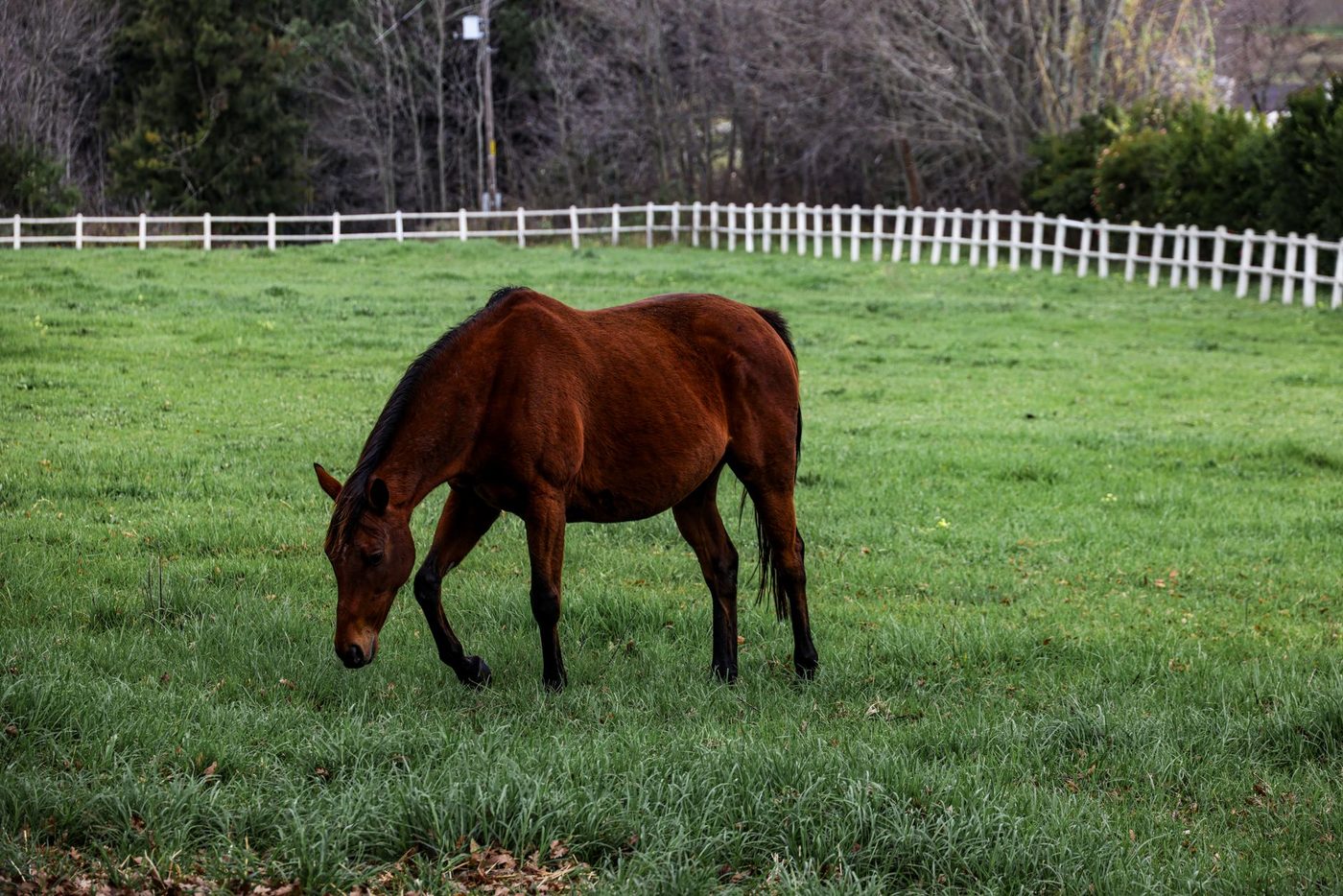
A horse, pony or donkey is a long commitment, and Defra’s Code of Practice for the Welfare of Horses, Ponies, Donkeys and Their Hybrids is the document a court would look at if a welfare case reached it. The code was presented to Parliament under section 15 of the Animal Welfare Act 2006 in December 2017, and its GOV.UK page shows April 2018. The code names England only in its passport annex, and the GOV.UK passport page names England and says Scotland, Wales and Northern Ireland differ, so this guide does not say how the welfare code applies elsewhere in the UK.
Before the Horse Arrives
The code opens with questions for anyone thinking of taking a horse on: skills and experience, the cost of keeping a horse, a horse on loan, the right type of horse, the facilities available, contingency plans and a plan for euthanasia. On cost, it says the purchase price “is likely to be minimal compared to the ongoing costs of care over the horse’s lifetime”. For a loan, it says an agreement should set out who takes on which care and costs.
Breaching a provision of the code is not an offence in itself, but a court looks at whether the code was followed if a welfare case is brought. The code also says a parent or guardian of a child under 16 is responsible for any animal the child owns or cares for. GOV.UK’s keeping-horses page adds that cruelty or not caring for an animal properly can bring an unlimited fine or up to 6 months in prison.
The Field and Its Fences
Not every horse needs a stable. The code says some horses, particularly native breeds, can live outdoors all year with shelter from the prevailing winds, summer sun and flies, while less hardy, clipped, very young or elderly horses may need housing or other shelter. Donkeys, it says, need roofed shelters with solid walls and clean, dry places to stand.
On space, the code gives a general rule of about 0.5 to 1.0 hectares (1.25 to 2.5 acres) of suitable grazing per horse where no supplementary feeding is provided, and 0.2 to 0.4 hectares per donkey. The area needed, it adds, depends on the grass, ground, season and type of horse. For fences it quotes British Horse Society recommendations of 1.08 m to 1.38 m for horses and 1 m to 1.3 m for ponies, and says barbed wire ideally should not be used.
The Stable, With Sizes Quoted From Two Bodies
The code sets no single stable size. It says each horse should have room to lie down, rise and turn around in comfort and quotes British Horse Society minimums of 3.65 m by 3.65 m for a horse, 3.05 m by 3.05 m for a pony and 3.65 m by 4.25 m for a large horse of 17 hands or more. For donkeys it quotes The Donkey Sanctuary: 3.05 m by 3.05 m for a donkey and 3.65 m by 3.65 m for a mule. Doors should be at least 1.25 m wide, one window or top door should normally stay open, and a standard 1.32 m stable door will be too high for a small pony or standard donkey.
Company, Exercise and Daily Checks
The code describes horses as herd animals that should be able to mix with their own species, and says isolation can have a negative psychological impact. Other animals may provide company where that is not possible, but it calls the company of other horses “by far the better option”. Donkeys, it says, can become ill, potentially fatally, if suddenly separated from a bonded companion.
Horses at grass should be inspected at least once a day, preferably more often, and stabled or group-housed horses at least twice a day. Stabled horses, apart from those on box rest for veterinary reasons, will benefit from daily turnout; if that is not possible, the code says they should receive appropriate exercise daily.
Tethering: Not a Long-Term Method
The code says tethering is not suitable for long-term management but may be useful as an exceptional short-term method. Its annex adds conditions. Horses under two years old should not be tethered; the chain should be about 20 feet long, with no rope or nylon; and the site should not be used without the landowner’s written permission. A tethered horse should be inspected no less often than every six hours during normal waking hours and at least twice a day, and must be allowed to exercise off the tether for a reasonable period at least once a day.
Passport and Microchip
GOV.UK says each horse, pony, donkey, ass, zebra or hybrid needs a passport, kept with the animal at all times, and that a fine is possible if a valid one cannot be shown. A buyer should contact the Passport Issuing Organisation within 30 days to update ownership details, and the passport goes back to it within 30 days of the animal’s death. For a new passport, a vet must microchip the horse first, and the application is due by whichever is later of 30 November of the birth year or six months after birth. For a horse born before July 2009 without a microchip, a vet must fit one, and in England a fine is possible if a horse is not microchipped.
The code’s passport annex says new regulations were “expected” in 2018 to require microchips for all horses, so the GOV.UK page is the one to read for the present rule.
The bottom line
Defra’s welfare code for horses, ponies, donkeys and their hybrids is not an offence provision in itself, but a court looks at whether it was followed in a welfare case. Its general rule is about 0.5 to 1.0 hectares of grazing per horse where no supplementary feeding is provided and 0.2 to 0.4 hectares per donkey, depending on the grass, ground and season. Stable sizes are quoted from the British Horse Society and The Donkey Sanctuary. Tethering is an exceptional short-term method, and horses under two should not be tethered. GOV.UK requires a passport for each animal and says a fine is possible for a missing passport or, in England, a missing microchip.
Sources
- Code of practice for the welfare of horses, ponies, donkeys and their hybrids, Defra (gov.uk), presented to Parliament December 2017, GOV.UK page dated April 2018, read 11 November 2026
- Keeping horses, GOV.UK (gov.uk), page shows no date, read 11 November 2026
- Getting and using a horse passport, GOV.UK (gov.uk), page shows no date, read 11 November 2026