
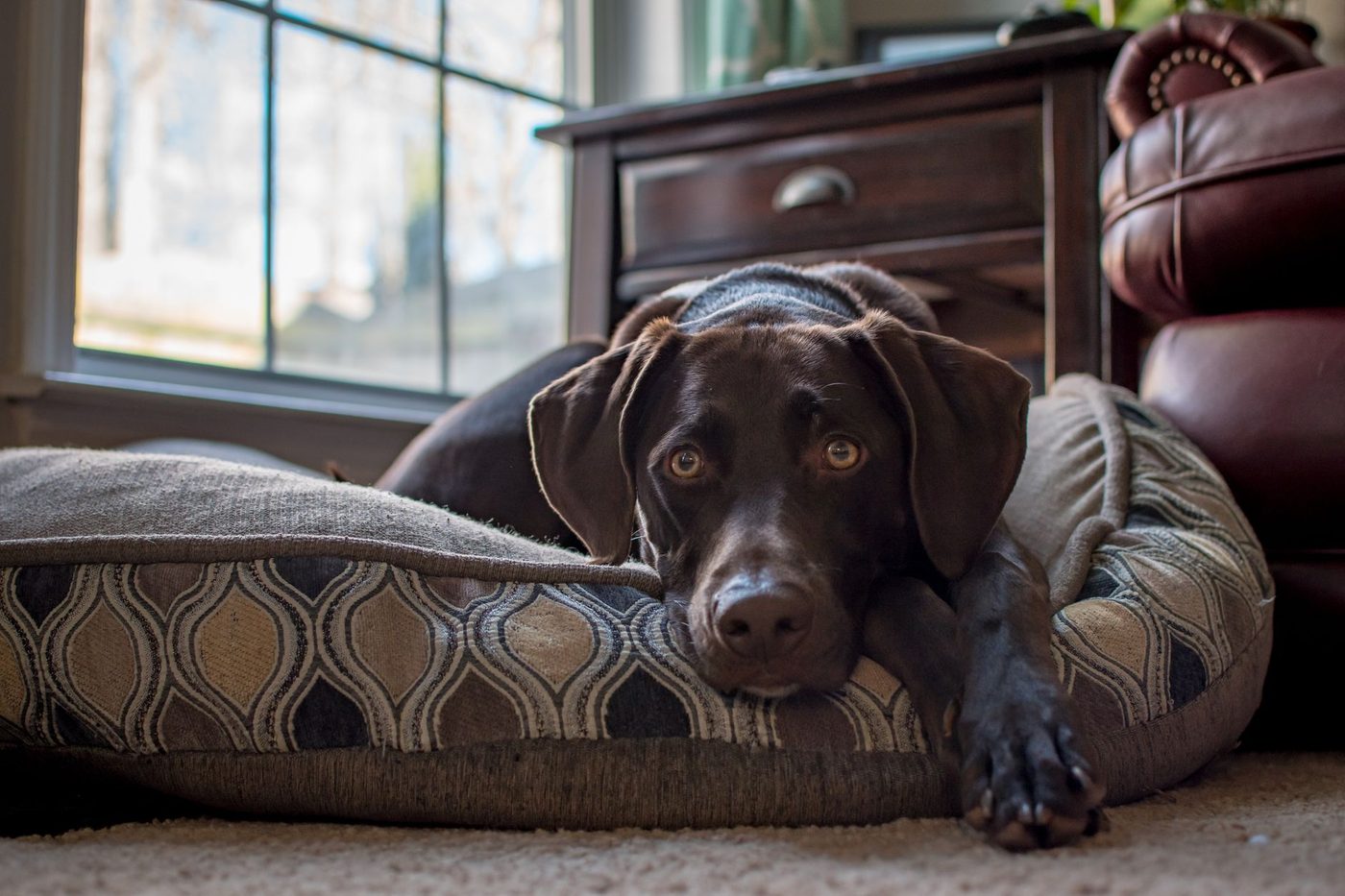
Alongside charity advice, England has an official document on dog care: the Code of Practice for the Welfare of Dogs, published by the Department for Environment, Food and Rural Affairs (Defra). The GOV.UK page for the Code was first published on 8 April 2013 and last updated on 6 April 2018, and the Code itself is dated December 2017. This article reads the Code’s sections on environment, food and water, exercise, company and identification, and explains its legal status. It covers England, where the Code applies, and leaves out the Code’s health section, which refers owners to a vet.
Is the Code a law, and what happens if it is not followed?
The Code is guidance, with a specific link to the law. Defra says its purpose is to provide practical guidance to help owners comply with section 9 of the Animal Welfare Act 2006, which requires reasonable steps to meet an animal’s needs. The Code says that breach of one of its provisions is not an offence in itself, but if proceedings are brought for an offence under section 9, the court will look at whether the Code was complied with in deciding whether an offence was committed.
A 2018 statutory instrument, the Codes of Practice for the Welfare of Cats, Dogs, and Horses, Ponies, Donkeys and their Hybrids (Appointed Day and Revocations) (England) Order 2018, appointed 6 April 2018 as the day the new dog Code came into force, and revoked the earlier dog Code that had come into force on 6 April 2010.
Where should a dog rest, and how often does it need a toilet break?
The Code says a dog needs a safe, comfortable place to rest, in a dry, draught-free area, and a place to hide where it feels safe. It also says that a dog is naturally disinclined to soil its living area and needs regular opportunities to use a toilet area, and under “What you should do” it says to provide access to an appropriate toilet area regularly as needed and at least every few hours.
On heat, the Code states that dogs are vulnerable to heat stress, that in hot weather they rapidly become distressed and can die in enclosed areas such as conservatories, vehicles, balconies and outdoor kennels, and that on warm days these are inappropriate environments for a dog, even for a short time.
What does it say about food and water?
Water comes first: dogs need fresh, clean drinking water at all times, and owners are told to carry water when clean water is unlikely to be available. On food, the Code says to feed an adult dog at least once each day, unless advised otherwise by a vet, and to avoid changing the diet suddenly, with changes made gradually over several days. It also says not to feed a dog shortly before or after strenuous exercise.
The Code includes a five-point body condition score, running from “very thin” to “obese”, with “ideal” at 3, and says a healthy adult dog should have a stable weight appropriate to its age, sex, breed and level of activity.
How much exercise, play and training is expected?
The Code says a dog needs regular exercise and opportunities to walk, run, explore, play, sniff and investigate. Its instruction is to give the dog the exercise it needs, at least daily unless a vet recommends otherwise, and it says the amount varies with age, breed and health.
On training, the Code says reward-based methods using things dogs like or want, such as toys, food and praise, are widely regarded as the preferred form of training. It adds that training which includes physical punishment may cause pain, suffering and distress.
How long can a dog be left alone?
The Code says dogs are sociable animals that need, enjoy and value company, and that some become distressed and suffer if left alone, even for short periods. It then says “Experts recommend four hours as the maximum time period”. It continues that the length of time an individual dog can be left varies with factors such as age, training, previous experience, breed or type, lifestyle and housing, but that no dog should routinely be left on its own for prolonged periods.
The Code’s own instruction is to make sure the dog is never left alone long enough for it to become distressed.
What does it say about microchips, collars and tags?
The Code says that from 6 April 2016 it is a legal requirement to have dogs microchipped, with details recorded on an appropriate, recognised database and kept up to date. It also says a dog is required by law to wear a collar and identity tag when in a public place, and that collars should be the correct size and fit and should not cause pain or discomfort. Puppies, it adds, must be microchipped before sale and cannot be sold under eight weeks.
Who is responsible when someone else looks after the dog?
The Code says owners remain legally responsible for the dog’s needs even when away, and that the person with whom the dog is left will also be legally responsible for its welfare in the owner’s absence. It also says that a parent or guardian of a child under 16 is responsible for any animal the child looks after.
The bottom line
Defra’s Code for dogs in England is guidance under the Animal Welfare Act 2006, and breaching it is not an offence in itself, though a court looks at compliance when deciding a section 9 case. Its practical points are a dry and draught-free rest area, a toilet break at least every few hours, fresh water at all times, daily exercise unless a vet advises otherwise, reward-based training, company, and a microchip and collar with tag. On time alone, the Code reports that experts recommend four hours as the maximum, while adding that individual dogs vary and none should routinely be left for prolonged periods. For health questions, the Code directs owners to a vet.
Sources
- Code of practice for the welfare of dogs (guidance page), Department for Environment, Food & Rural Affairs, published 8 April 2013, last updated 6 April 2018, read 6 November 2026 (gov.uk)
- Code of Practice for the Welfare of Dogs (PDF, December 2017, ISBN 978-1-5286-0171-9), Department for Environment, Food and Rural Affairs, read 6 November 2026 (assets.publishing.service.gov.uk)
- The Codes of Practice for the Welfare of Cats, Dogs, and Horses, Ponies, Donkeys and their Hybrids (Appointed Day and Revocations) (England) Order 2018, Statutory Instrument 2018 No. 310, made 1 March 2018, read 6 November 2026 (legislation.gov.uk)